
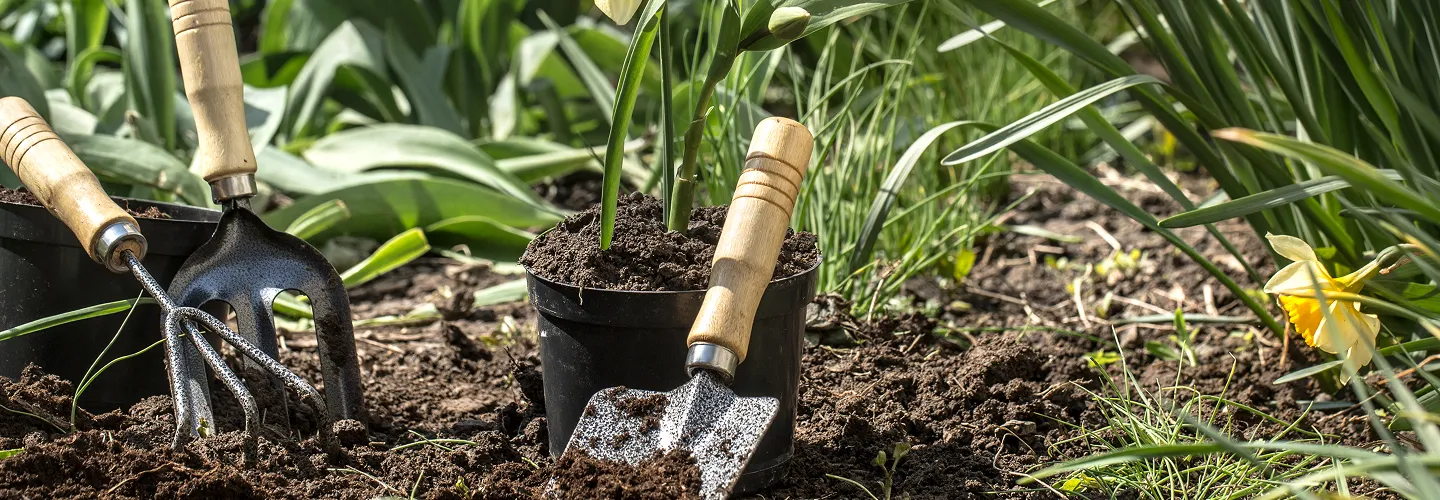
Spicewood Lawn Installation Services
Choose our expert lawn installation for a seamless, hassle-free transformation—enjoy a vibrant, healthy yard that boosts your home's curb appeal and value, all backed by our commitment to quality and customer satisfaction.
Get a Free QuoteOur Spicewood Landscaping & Yard Care Services
When to Schedule Lawn Installation in Spicewood, Texas – Seasonal Guide
Choosing the right time for lawn installation in Spicewood, Texas is essential for achieving a lush, healthy yard that thrives year-round. Due to our region’s unique blend of Hill Country climate, with hot summers and mild winters, the optimal window for new sod or seed typically falls between late spring and early fall. This period allows grass roots to establish before the intense summer heat or occasional winter frosts set in. Neighborhoods near Lake Travis and the Pedernales River, for example, often experience microclimates that can slightly shift the best installation dates, so it’s important to consider your specific location.
Local environmental factors play a significant role in determining the best timing for your project. Spicewood’s variable rainfall, risk of summer drought, and the prevalence of rocky or clay-heavy soils—especially in areas like Double Horn Creek and near Pace Bend Park—can all impact lawn establishment. Homeowners should also be aware of municipal watering restrictions, which are updated regularly on the official town website, to ensure compliance and optimal irrigation during the critical establishment phase.
Local Factors to Consider for Lawn Installation in Spicewood
- Tree density and shade coverage, which affect grass variety selection and growth
- Terrain and soil composition, including rocky outcrops and clay-heavy areas
- Seasonal precipitation patterns and drought risk
- Proximity to water sources like Lake Travis, which can influence humidity and microclimates
- Municipal watering restrictions and local ordinances
- Recent construction or land development, which may alter soil quality or drainage
Benefits of Lawn Installation in Spicewood
Expert Landscaping Services
Premium Quality Sod
Efficient Project Completion
Customized Lawn Solutions
Enhanced Curb Appeal
Sustainable Lawn Practices

Spicewood Lawn Installation Types

Sod Installation
-
Hydroseeding
-
Artificial Turf Installation
-
Native Grass Planting
-
Overseeding
-
Sprigging and Plugging
-
Erosion Control Lawns
Our Lawn Installation Process
Site Evaluation
Soil Preparation
Lawn Installation
Watering and Initial Care
Why Choose Spicewood Landscape Services
-
Spicewood Homeowners Trust Us
-
Expert Lawn Maintenance
-
Reliable Scheduling
-
Competitive Pricing
-
Professional Team
-
Satisfaction Guarantee
-
Personalized Service
Soil Series and Drainage Considerations for Lawn Installation in Spicewood
Spicewood’s landscape is characterized by Vertisols and Mollisols, including the Houston Black clay and Branyon clay loam, as identified by the USDA Web Soil Survey. These soils are known for their high clay content, pH ranging from 7.5 to 8.2, and poor drainage, which can lead to waterlogging during heavy rainfall. For successful lawn installation, it is essential to incorporate 2-3 inches of compost tilled to a 6-inch depth to improve structure and drainage. Soil testing, available through Texas A&M AgriLife Extension, is recommended (typical cost: $15-25) to determine amendment needs. Lime application is rarely needed due to alkaline conditions, but sulfur may be used if pH exceeds 8.0. Core aeration to a depth of 2-3 inches is advised for compacted areas.
Texas A&M AgriLife Extension
556 Loop 322, Abilene, TX 79602
Phone: (325) 672-6048
Official Website: Texas A&M AgriLife Extension
Seasonal Timing and Climate Zone Guidance for Spicewood Lawn Establishment
Spicewood is located in USDA Hardiness Zone 8b, with average annual minimum temperatures of 15-20°F. Optimal seeding for warm-season grasses such as bermudagrass (Cynodon dactylon) and zoysiagrass (Zoysia japonica) occurs from April 15 to June 15, when soil temperatures reach 65°F. For cool-season grasses, such as tall fescue (Festuca arundinacea), the best window is September 1 to October 15. Avoid installation during July and August due to heat stress and high evaporation rates. Irrigation should be scheduled before 10:00 AM or after 7:00 PM to minimize water loss. For weather monitoring and frost advisories, consult the National Weather Service Austin/San Antonio Office.
- Spring seeding: April 15 – June 15 (soil temp 65°F+)
- Fall seeding: September 1 – October 15 (soil temp 60-70°F)
- Avoid: July-August (heat stress)
Municipal Coordination and Lawn Installation Permitting in Spicewood
Lawn installation projects in Spicewood must comply with local ordinances regarding construction hours, site disturbance, and stormwater management. Equipment operation is typically permitted:
- Monday-Friday: 7:00 AM – 7:00 PM
- Saturday: 8:00 AM – 6:00 PM
- Sunday and holidays: Prohibited Permits may be required for significant grading, irrigation system installation, or work within 25 feet of wetlands or drainageways. All sod and soil deliveries must avoid blocking public rights-of-way. For guidance on permitting, site regulations, and disposal of excess soil or debris, coordinate with the city’s public works and zoning offices.
City of Austin Transportation & Public Works
505 Barton Springs Road, Austin, TX 78704
Phone: (512) 974-7065
Official Website: City of Austin Transportation & Public Works
City of Austin Zoning & Site Development Regulations
505 Barton Springs Road, Austin, TX 78704
Phone: (512) 974-2681
Official Website: City of Austin Zoning & Site Development Regulations
Environmental Compliance: Stormwater, Buffer Zones, and State Regulations in Spicewood
Lawn installation in Spicewood must adhere to Texas Water Code and Clean Water Act requirements, including the MS4 permit administered by the Texas Commission on Environmental Quality (TCEQ). It is prohibited to allow soil, sod, or grass clippings to enter storm drains. Maintain a 25-foot no-disturbance buffer from wetlands and a 50-foot setback from the banks of Lake Travis and local streams. Fertilizer and pesticide applications are restricted within 50 feet of water bodies. For reporting water quality concerns or suspected violations, use the city’s water pollution reporting tool.
Austin Water Pollution Reporting
505 Barton Springs Road, Austin, TX 78704
Phone: (512) 974-2550
Official Website: Austin Water Pollution Reporting
Texas Commission on Environmental Quality (TCEQ)
12100 Park 35 Circle, Austin, TX 78753
Phone: (512) 239-1000
Official Website: Texas Commission on Environmental Quality
Professional Standards and Safety Protocols for Lawn Installation in Spicewood
All lawn installation work in Spicewood must meet professional safety and equipment standards. Operators are required to use:
- Eye protection: ANSI Z87.1 safety glasses
- Hearing protection: Earmuffs or plugs for 85+ dB noise
- Footwear: Steel-toed boots, non-slip soles
- Gloves: Cut-resistant for sod handling, chemical-resistant for fertilizer/pesticide application Commercial-grade sod cutters and tillers must be maintained with blade sharpening every 20-25 hours of use. Maintain a 15-foot clearance from overhead power lines and a 10-foot buffer from public sidewalks. All personnel must be trained in safe equipment operation and site hazard identification. For large projects near public roads, traffic control measures such as cones and signage are required.
Austin Fire Department
4201 Ed Bluestein Blvd, Austin, TX 78721
Phone: (512) 974-0130
Official Website: Austin Fire Department
What Neighborhoods Do We Serve Throughout Spicewood, TX?
- Briarcliff: Features sloped lots with shallow Branyon clay loam, requiring enhanced drainage and erosion control during installation.
- Pedernales Bend: Proximity to the Pedernales River means strict buffer enforcement and frequent soil compaction from periodic flooding.
- Spicewood Beach: Sandy loam soils with high pH and rapid drainage; irrigation system calibration is critical for new lawns.
- Double Horn Creek: Large lots with mature oak stands and heavy clay soils; root competition and shade-tolerant turf selection are key.
- Sierra West: Newer development with compacted fill soils and HOA landscaping standards that specify sod type and installation timing.
- Windermere Oaks: Gently rolling terrain, moderate drainage, and proximity to Lake Travis require compliance with water body setback rules.
- Coves on Lake Travis: Floodplain location necessitates careful grading, stormwater controls, and adherence to wetland buffer requirements.